
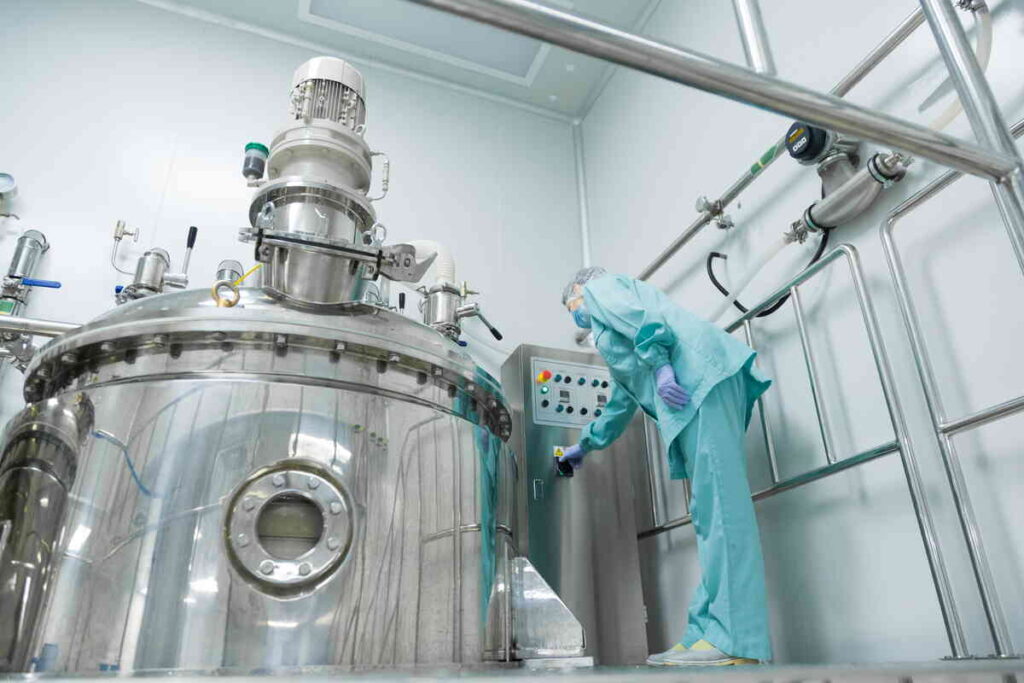
Cryogenic technologies are an indispensable link in industrial environments where extremely low temperatures are necessary to ensure that processes run safely, accurately, and stably. By liquefying gases such as nitrogen, oxygen, argon, and hydrogen and storing them under controlled conditions, applications are created that are not feasible with conventional cooling techniques. Cryogenic technology makes it possible to better control processes, guarantee product quality, and limit energy losses at the same time.
In sectors such as energy supply, science, healthcare, and high-tech industry, the use of cryogenic technology has become an integral part of the infrastructure. These technologies require a combination of in-depth technical knowledge, carefully designed installations, and strict compliance with safety standards. Only by bringing these elements together can cryogenic technologies function reliably in complex and demanding industrial environments.
Industrial Applications of Cryogenic Technologies
Cryogenic technologies are used in a variety of ways in industrial processes. They play an important role in the cooling, storage, transport, and process support of liquid gases. Cryogenic installations are designed to maintain stable temperatures, even when external conditions may vary. This is essential for processes where minimal temperature fluctuations can have a major impact on safety or product results.
Cryogenic technologies contribute to a high degree of process continuity. Reliable temperature control and controlled gas flows enable installations to continue to function consistently over long periods of time. This results in lower operating costs, fewer unplanned shutdowns, and higher efficiency.
The use of cryogenic technology is particularly valuable in environments where precision and reliability are crucial. Examples include gas processing, research facilities, and industrial production lines where controlled cooling is essential to the process. By using advanced cryogenic technologies, processes can be optimized without compromising safety or sustainability. In addition, these systems offer scalability, allowing installations to grow in line with changing production volumes and technological developments.
Safety and Reliability in Cryogenic Technologies
Working with extremely low temperatures involves specific risks. That is why safety is central to the design and application of cryogenic technologies. Professionally developed systems take into account factors such as material selection, pressure control, insulation, and redundant safety features. Only materials that can withstand low temperatures and thermal stresses are used.
Cryogenic technologies require a thorough understanding of thermodynamics and the behavior of liquid gases. This knowledge is essential to ensure that installations function safely and reliably, even under intensive use. Regular maintenance, inspections, and monitoring are indispensable in this regard. They ensure that installations maintain their performance and that risks are identified and mitigated in a timely manner.
Features of High-Quality Cryogenic Technologies
- High degree of thermal insulation
- Reliable pressure and safety systems
- Long service life of installations
- Efficient energy consumption
These properties make cryogenic systems suitable for critical applications in sectors where safety and continuity leave no room for compromise.
Customization as a Starting Point
No two industrial applications are the same. That is why customization is an essential part of cryogenic technologies. When designing a cryogenic installation, factors such as capacity, available space, applicable safety standards, and future expansion possibilities are taken into account. Cryogenic systems are often integrated into existing infrastructures, with reliability and compatibility being key considerations.
For more informational blogs visit Coyyn.
In addition to technical advantages, cryogenic technologies also contribute to more sustainable use of raw materials. Controlled storage and distribution of liquid gases reduces waste and preserves the quality of the medium. This makes cryogenic technology a future-oriented choice for organizations striving for reliable, safe, and efficient processes in the long term.

