
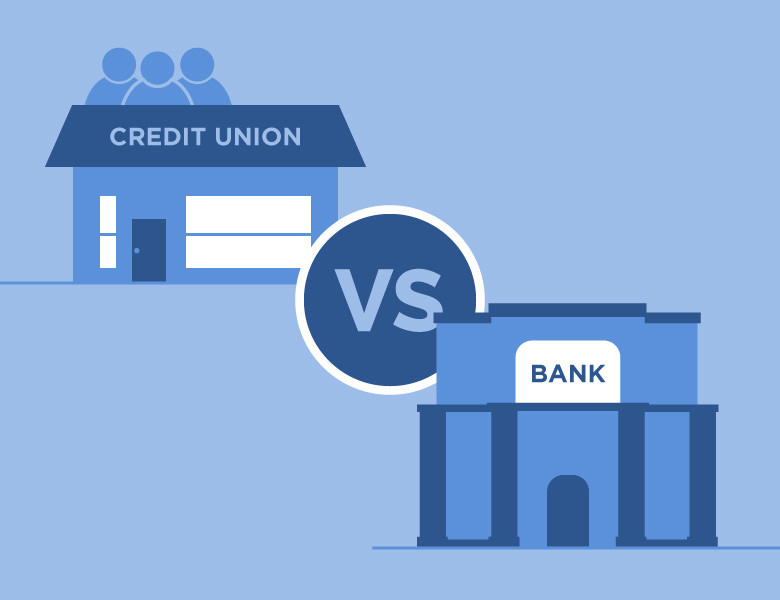
Many people face a choice when picking a place for their banking needs: should they go with a credit union or a bank? Understanding the difference between a credit union and a bank can help you make a smart decision based on your financial goals. In this post, we break down the basics, key contrasts, advantages, and drawbacks of each option. We also share tips on how to pick the right one for you. By the end, you’ll have a clear picture of what sets them apart and which might fit your life better.
This guide draws from reliable sources like government reports and industry data to give you accurate facts. For example, recent figures from 2025 show credit unions often provide better rates on savings and loans than banks. We’ll cover ownership, services, fees, and more in detail. Whether you’re new to managing money or looking to switch, this information aims to answer all your questions.
What Is a Bank?
Banks serve as financial institutions that handle money for individuals and businesses. They accept deposits, offer loans, and provide various services to help people manage their finances. Most banks operate under federal or state regulations, which ensure they follow strict rules for safety and fairness. Banks come in different sizes, from small local ones to large national chains with branches everywhere.
A bank typically works as a for-profit company. This means it aims to make money for its owners, who are usually shareholders. These shareholders invest in the bank and expect returns through dividends or stock value growth. Because of this focus on profit, banks often charge fees for services and set interest rates that benefit the bottom line. For instance, a bank might offer checking accounts, savings accounts, credit cards, mortgages, and investment options.
Banks play a big role in the economy by lending money to businesses and consumers. They use deposits from customers to fund these loans, earning interest in the process. Regulations like those from the Federal Deposit Insurance Corporation (FDIC) protect customer deposits up to $250,000 per account. This insurance gives peace of mind, knowing your money stays safe even if the bank faces issues. Overall, banks provide a wide range of tools for everyday financial tasks.
What Is a Credit Union?
Credit unions function as financial cooperatives owned by their members. Unlike banks, they do not seek profits for outside investors. Instead, they focus on serving the needs of their members, who are also the owners. Credit unions must follow regulations from bodies like the National Credit Union Administration (NCUA), which oversees their operations and ensures member protection.
To join a credit union, you usually need to meet certain criteria, such as living in a specific area, working for a particular employer, or belonging to a group. Once you’re a member, you get a say in how the credit union runs, often through voting for board members. This member-focused approach leads to decisions that prioritize low costs and good service over high profits.
Credit unions offer many of the same services as banks, including checking and savings accounts, loans, and credit cards. However, they often provide these at better terms because any surplus money goes back to members through lower fees or higher interest on deposits. For example, in 2025, credit unions reported average savings rates higher than banks, according to NCUA data. This structure builds a sense of community among members.
Ownership and Governance
The biggest difference between a credit union and a bank lies in who owns them and how they make decisions. Banks belong to shareholders who buy stock in the company. These owners expect the bank to generate profits, which influences every choice, from setting fees to approving loans. Board members, elected by shareholders, guide the bank toward growth and earnings.
In contrast, credit unions belong to their members. Each member gets one vote, regardless of how much money they have deposited. This democratic setup means decisions reflect what benefits the group as a whole. For example, if members want lower loan rates, the board might adjust policies to make that happen. Governance in credit unions often feels more personal because leaders come from the membership base.
This ownership gap affects accountability. Banks answer to investors who may live far away and focus on short-term gains. Credit unions answer directly to members, fostering trust and long-term relationships. Data from J.D. Power studies in 2025 shows credit unions often score higher in member satisfaction due to this member-driven model. Understanding this core contrast helps explain many other differences.
Profit Goals and How Earnings Get Used
Banks operate with a profit-first mindset. They aim to maximize returns for shareholders, which means charging higher fees and interest on loans while paying lower rates on deposits. Any extra money after expenses goes to dividends or reinvesting in the business to attract more investors. This approach can lead to innovative services but sometimes at the cost of customer-friendly terms.
Credit unions, being not-for-profit, use earnings differently. After covering costs, they return surpluses to members through better rates, reduced fees, or added services. For instance, a credit union might offer free checking accounts or rebates on loan interest. According to 2025 NCUA reports, this results in credit unions providing higher average yields on savings accounts, like 0.45% compared to banks’ 0.35%.
The profit difference impacts community involvement too. Banks might sponsor events for marketing, but credit unions often support local causes because members benefit directly. This reinvestment strengthens ties and keeps money circulating locally. If you’re looking for an institution that puts your interests ahead of profits, this aspect makes credit unions stand out.
Services and Products Offered
Both credit unions and banks provide core services like checking accounts, savings options, and loans. However, banks often have a broader range due to their size and resources. Large banks might offer wealth management, international wire transfers, or business banking tools that smaller credit unions lack. For example, if you run a company, a bank could provide payroll services or commercial loans more readily.
Credit unions focus more on personal finance needs. They excel in auto loans, home mortgages, and personal lines of credit, often with simpler processes. Some credit unions partner with networks to expand offerings, like shared branching for access to thousands of locations. In 2025, many credit unions added online tools for budgeting and financial education, matching bank features without the extra costs.
When comparing, think about what you need. If you travel often, a bank’s global ATM network might suit you better. But for everyday banking with fewer frills, a credit union could provide all essentials at a lower price. Reviews from sites like nerdwallet.com highlight that while banks have more variety, credit unions deliver quality in their niche areas.
Interest Rates and Fees
One clear difference between a credit union and a bank shows up in interest rates and fees. Credit unions typically offer higher rates on deposits and lower rates on loans. For Q2 2025, NCUA data reports credit unions averaging 4.25% on 1-year CDs versus banks’ 3.75%. On auto loans, credit unions charge about 5.91% for 48 months, while banks average 6.84%.
Fees also tend to be lower at credit unions. Many waive monthly maintenance charges or ATM fees, especially if you maintain a minimum balance. Banks often impose these costs to boost profits, like $10-15 per month for checking or $35 for overdrafts. Credit unions might cap overdraft fees at $25 or offer courtesy pay without penalties.
These savings add up over time. For a $10,000 savings account, the rate difference could mean an extra $50 yearly. Borrowers save hundreds on loans. Always check specific institutions, as rates vary by location and credit score. This area often tips the scale toward credit unions for cost-conscious users.
Membership and Who Can Join
Banks welcome almost anyone as a customer. You can open an account with basic ID and a small deposit, no special ties needed. This open access makes banks convenient for newcomers or those moving often. National banks like Chase or Wells Fargo serve millions without restrictions.
Credit unions require membership based on a “field of membership.” This could include your job, where you live, or family connections. For example, Navy Federal serves military personnel and their relatives. Some credit unions have broad criteria, like living in a certain state, making it easy to join. Once in, you stay a member for life, even if circumstances change.
This requirement can limit options but builds community. To join, you might pay a small fee, like $5, to open a share account. Tools like the NCUA’s locator help find eligible credit unions. If exclusivity bothers you, banks offer easier entry, but credit unions’ select groups often lead to tailored services.
Safety and Insurance for Deposits
Both banks and credit unions protect your money through federal insurance. Banks use the FDIC, which covers up to $250,000 per depositor per account type. This backing comes from the government and has safeguarded deposits since 1933, even during economic downturns.
Credit unions rely on the NCUA’s Share Insurance Fund, also covering $250,000 per member per account. It’s equivalent to FDIC in strength and reliability. Both programs ensure you get your money back if the institution fails, up to the limit.
Differences appear in how funds are managed. Credit unions’ not-for-profit status might lead to more conservative lending, reducing risk. However, both must meet strict capital requirements. Check for the insurance logo when choosing. This equality means safety shouldn’t be the deciding factor; focus on other benefits instead.
Customer Service and Experience
Credit unions often shine in customer service because of their member-owned model. Staff treat you as an owner, leading to more personalized help. Surveys like the 2025 J.D. Power study rank credit unions higher in satisfaction, with scores averaging 850 out of 1,000 compared to banks’ 800.
Banks provide service through apps, chatbots, and 24/7 phone lines, but it can feel impersonal at large chains. Local banks might match credit unions in warmth. Credit unions invest in training to understand member needs, offering advice on debt management or saving strategies without pushing products.
If you value face-to-face interactions, check branch hours and locations. Online reviews on sites like Yelp can reveal real experiences. Overall, credit unions’ focus on relationships often results in quicker resolutions and fewer complaints.
Branch Access and Technology
Banks usually have more branches and ATMs, especially national ones. With thousands of locations, you can bank anywhere in the U.S. or abroad. Apps from banks like Bank of America offer advanced features like mobile check deposits and AI budgeting tools.
Credit unions might have fewer physical spots but join networks like CO-OP, giving access to over 30,000 ATMs fee-free. In 2025, many credit unions upgraded digital platforms for seamless online banking, matching banks in convenience.
Consider your habits: if you prefer in-person visits, count nearby branches. For digital users, both provide secure apps. Credit unions sometimes lag in cutting-edge tech but catch up quickly. Test demos or read app store reviews to see what fits your lifestyle.
Advantages and Drawbacks of Banks
Banks offer wide accessibility, with branches in most cities and global networks. This makes them ideal for travelers or businesses needing international services. They provide diverse products, from investment accounts to insurance, all in one place. Large banks invest in technology, offering robust apps and security features.
However, banks can have higher fees and lower interest rates due to profit goals. Customer service might feel generic, with long wait times. They sometimes push sales, like credit cards, which can annoy users. Regulations protect you, but scandals in the past have hurt trust.
In summary, banks suit those wanting convenience and variety. If you need complex financial tools, they’re a strong choice. Weigh the costs against benefits to see if they align with your needs.
Advantages and Drawbacks of Credit Unions
Credit unions provide lower fees and better rates, saving you money on loans and deposits. Their member focus leads to excellent service and community support. Many offer financial education programs, helping you build wealth.
Drawbacks include limited membership and fewer branches. Services might not match banks’ breadth, especially for businesses. Technology can trail behind, though improvements continue. If you don’t qualify, you can’t join.
Credit unions work best for personal banking in stable communities. Their cooperative nature fosters loyalty, but assess if restrictions fit your life.
How to Pick Between a Credit Union and a Bank
Start by listing your needs: do you want low costs or wide services? Check eligibility for local credit unions using NCUA tools. Compare rates and fees online—sites like Bankrate list current offers.
Visit branches or use apps to test service. Read reviews for real insights. Consider future plans, like moving or starting a business. If tied to one area, a credit union might save more. For flexibility, choose a bank.
Ask about switching ease and any bonuses. Many institutions help transfer accounts. Make a pros/cons list based on your situation.
Steps to Switch Institutions
Switching requires planning. First, open a new account while keeping the old one active. Transfer direct deposits and automatic payments—use forms from your employer or billers.
Move funds gradually to avoid fees. Update linked cards and apps. Close the old account once everything clears, requesting a confirmation letter.
Watch for timing: avoid mid-month if bills are due. Some places offer incentives for switching, like cash bonuses. This process usually takes a few weeks but streamlines your finances.
Final Thoughts
The difference between a credit union and a bank boils down to ownership, profits, and focus. Credit unions prioritize members with better terms, while banks offer broader access and services. Neither is always better—it depends on your needs.
Review your finances yearly to ensure your choice still fits. With this guide, you can confidently decide. If questions remain, consult a financial advisor for personalized advice. Smart banking leads to stronger financial health.

