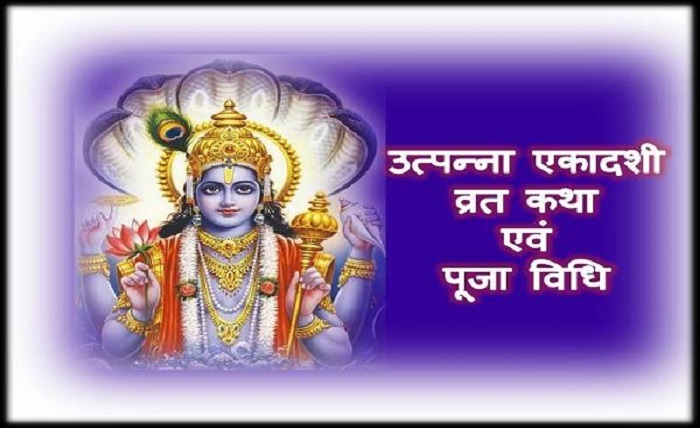
If you are searching for gyaras kab ki hai, you are probably looking for the date of the upcoming Ekadashi and its religious significance. In the Hindu calendar, Gyaras, also known as Ekadashi, falls on the eleventh day (11th Tithi) of both the Shukla Paksha and Krishna Paksha every lunar month. Since there are generally two Ekadashis every month, there are approximately 24 Ekadashis in a year, with additional ones during leap years. Therefore, whenever someone asks gyaras kab ki hai, the answer depends on which month’s Ekadashi they are referring to and the local Panchang.
The question gyaras kab ki hai is among the most searched queries by devotees because Ekadashi fasting is considered one of the most sacred observances in Hinduism. It is believed that observing this fast with devotion brings peace, prosperity, spiritual growth, and blessings from Lord Vishnu.
Why Is Gyaras Important in Hinduism?
The question gyaras kab ki hai is important because Ekadashi is dedicated to Lord Vishnu. According to Hindu scriptures, Lord Vishnu protects the universe, and devotees worship Him on Ekadashi to seek forgiveness, happiness, and liberation from sins.
Many religious texts mention that observing the Ekadashi fast helps control desires, improve concentration, and strengthen faith. This is one reason why people frequently search gyaras kab ki hai before planning their fasting schedule.
Apart from its spiritual significance, Ekadashi is also considered beneficial for physical health because devotees often consume light, sattvic food or observe complete fasting.
Gyaras Kab Ki Hai According to the Hindu Calendar?
When people ask gyaras kab ki hai, they usually want to know the exact date. Since the Hindu calendar follows lunar cycles, the date changes every month according to the Gregorian calendar.
Each month includes:
- Krishna Paksha Ekadashi
- Shukla Paksha Ekadashi
Popular Ekadashis include:
- Putrada Ekadashi
- Nirjala Ekadashi
- Devshayani Ekadashi
- Kamika Ekadashi
- Aja Ekadashi
- Parivartini Ekadashi
- Indira Ekadashi
- Papankusha Ekadashi
- Rama Ekadashi
- Devutthana Ekadashi
- Mokshada Ekadashi
- Vaikuntha Ekadashi
Whenever you search gyaras kab ki hai, checking the local Panchang is essential because timings may vary depending on your location.
How Is the Gyaras Fast Observed?
Knowing gyaras kab ki hai helps devotees prepare for the fast properly. The fasting process generally begins before sunrise and ends on Dwadashi after the prescribed Parana time.
Common rituals include:
- Wake up early.
- Take a holy bath.
- Wear clean clothes.
- Worship Lord Vishnu.
- Offer Tulsi leaves.
- Read Vishnu Sahasranama.
- Chant “Om Namo Bhagavate Vasudevaya.”
- Observe fasting.
- Donate food and clothes.
- Break the fast on Dwadashi.
People who regularly search gyaras kab ki hai often prepare one day in advance by consuming simple meals and avoiding tamasic foods.
Benefits of Observing Gyaras Fast
The reason many people search gyaras kab ki hai is because of the spiritual and personal benefits associated with Ekadashi fasting.
Some commonly believed benefits include:
- Spiritual purification
- Mental peace
- Better self-control
- Increased devotion
- Blessings of Lord Vishnu
- Prosperity in life
- Removal of negative karma
- Better discipline
- Improved digestion through light eating
- Positive thinking
Religious scriptures describe gyaras kab ki hai as an opportunity to reconnect with spirituality and practice self-restraint.
Foods Allowed During Gyaras Fast
Many devotees who search gyaras kab ki hai also want to know what they can eat during the fast.
Common fasting foods include:
- Fruits
- Milk
- Yogurt
- Dry fruits
- Makhana
- Sabudana
- Singhara flour
- Kuttu flour
- Rock salt
- Coconut water
Foods generally avoided include:
- Rice
- Wheat
- Lentils
- Regular salt
- Onion
- Garlic
- Meat
- Alcohol
Following these dietary practices while observing gyaras kab ki hai is believed to support both spiritual discipline and physical well-being.
Common Myths About Gyaras
People often have misconceptions when searching gyaras kab ki hai. Understanding the facts helps devotees observe the fast correctly.
Myth 1
Only elderly people should observe Ekadashi.
Fact: Anyone who is healthy and willing can observe it according to their capacity.
Myth 2
Complete fasting is compulsory.
Fact: Many devotees observe fruit fasting or consume sattvic foods.
Myth 3
Missing one Ekadashi brings bad luck.
Fact: Hindu traditions emphasize sincere devotion rather than fear.
Myth 4
Women cannot observe Ekadashi.
Fact: Women also observe the fast with devotion according to family traditions.
Myth 5
The answer to gyaras kab ki hai is always the same date.
Fact: The date changes every month because it follows the lunar calendar.
How to Find Gyaras Kab Ki Hai Every Month?
If you frequently wonder gyaras kab ki hai, there are several reliable ways to stay updated.
You can check a traditional Panchang, a trusted Hindu calendar, your local temple announcements, or reputable calendar applications that publish Ekadashi dates and Parana timings. Since sunrise and tithi timings vary by location, using your local city’s Panchang is always recommended when searching gyaras kab ki hai.
Many families also maintain annual religious calendars where all Ekadashi dates are marked in advance, making it easier to plan fasting and पूजा schedules throughout the year.
Conclusion
The question gyaras kab ki hai is much more than a search for a calendar date. It reflects the devotion of millions of Hindus who observe Ekadashi to worship Lord Vishnu, seek spiritual growth, and practice self-discipline. Since Ekadashi occurs twice every lunar month, its exact date changes according to the Hindu Panchang and your location. By understanding the significance, rituals, permitted foods, and benefits associated with gyaras kab ki hai, devotees can observe the fast with greater awareness and faith. Always refer to your local Panchang for the correct tithi and Parana timing before beginning the fast.
FAQs
1. Gyaras kab ki hai?
The answer to gyaras kab ki hai depends on the current lunar month and your local Panchang because Ekadashi dates change every month.
2. Why is Gyaras celebrated?
Gyaras kab ki hai is commonly searched because Ekadashi is dedicated to Lord Vishnu and is considered highly auspicious for fasting and worship.
3. Can I eat during Gyaras fast?
Yes. While searching gyaras kab ki hai, many devotees also learn that fruit fasting, milk, dry fruits, and certain fasting foods are generally permitted according to tradition.
4. How many Gyaras occur in a year?
When asking gyaras kab ki hai, it is helpful to know that there are usually 24 Ekadashis in a year, with an extra two during an Adhik Maas (leap month).
5. How can I know the correct Gyaras date?
To find gyaras kab ki hai, consult a reliable Hindu Panchang or your local temple’s calendar, as dates and timings may differ by region.