Introduction
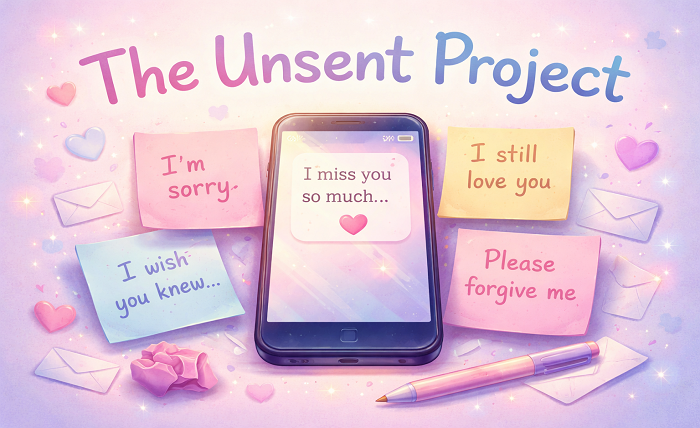
The Unsent Project is an intriguing exploration of human emotions, a digital collection of letters that were never meant to be sent. Started in 1995 by the artist Rory Scovel, this project allows people to express their deepest feelings without the pressure of a response. Each submission in the unsent project offers an intimate peek into the human psyche, capturing emotions that are often left unspoken. The brilliance of the unsent project lies in its universality: heartbreak, longing, apologies, or unspoken love—all find a home here.
Through the unsent project, readers can empathize with others while reflecting on their own experiences. The anonymity of this project creates a safe space, allowing raw honesty to emerge. It’s a unique blend of art, therapy, and digital storytelling. By participating in or reading the unsent project, one gains insight into the complex nature of communication and the human tendency to hold back words that could change relationships forever.
The Origins of The Unsent Project
The unsent project began in 1995 as a simple yet profound idea: what if people could write letters they never intended to send? The concept was pioneered by internet artist Rory Scovel, who created a website to host these letters. The project quickly gained attention for its candid exploration of emotions that are usually kept private. Each letter in the unsent project reflects personal stories that resonate with many, from first loves to unresolved conflicts.
The origin of the unsent project highlights the intersection of technology and human emotion. In the pre-social media era, the project provided a platform for sharing feelings without judgment. The website itself became a cultural touchstone, inspiring similar initiatives that focus on anonymous self-expression. Today, the unsent project serves as both a historical artifact and a living repository of human experience, demonstrating how digital platforms can capture the complexity of emotions.
How The Unsent Project Works
At its core, the unsent project is simple yet profoundly effective. Participants write letters addressed to someone in their life, yet these letters are never delivered. Users submit these letters online, where they are archived for others to read. The magic of the unsent project is in its simplicity: by removing the expectation of a response, people feel free to express themselves fully.
The unsent project also serves as a form of emotional catharsis. Writers can release feelings of anger, love, regret, or longing without fear of confrontation. Each letter becomes a personal snapshot of vulnerability, a testament to the complexities of human relationships. Moreover, the unsent project invites readers to reflect on their own unspoken words, fostering empathy and understanding across the spectrum of human emotion.
The Emotional Impact of The Unsent Project
The emotional power of the unsent project is undeniable. Reading letters from strangers often evokes feelings of nostalgia, empathy, and introspection. Many people find themselves moved by the sincerity and honesty of these unsent letters. By exposing their most private thoughts, participants in the unsent project create a shared emotional experience that transcends boundaries.
The unsent project also highlights the therapeutic benefits of writing. Psychologists and therapists recognize that expressing feelings—even privately—can help people process grief, heartbreak, and complex emotions. By engaging with the unsent project, both writers and readers participate in a collective exploration of human emotion. This emotional resonance is what gives the unsent project its enduring relevance in a world where open communication is often challenging.
The Role of Technology in The Unsent Project
Technology plays a crucial role in the success of the unsent project. The internet allows for anonymity, accessibility, and global reach. Participants from around the world can contribute letters, sharing their personal stories without fear of exposure. The platform of the unsent project demonstrates how technology can facilitate emotional expression in ways that traditional mediums cannot.
Digital archiving also ensures that the unsent project is preserved for future generations. Unlike personal diaries or letters tucked away in drawers, the letters on the unsent project website exist in a communal, public space. This digital permanence allows readers to witness the evolution of human emotion over time, providing a unique lens through which to study love, loss, and reconciliation in the modern age.
The Cultural Significance of The Unsent Project
The unsent project has cultural significance beyond its emotional appeal. It serves as a commentary on communication in contemporary society, where text messages, emails, and social media often replace face-to-face interactions. By focusing on letters that are never sent, the unsent project reminds us of the importance of reflection, thoughtfulness, and emotional authenticity.
The project has inspired artists, writers, and educators to explore similar concepts in their work. The unsent project has become a tool for understanding relationships, conflict resolution, and self-expression. Its impact is evident in how many people cite it as a source of comfort, introspection, or inspiration. Ultimately, the unsent project reflects a timeless human desire: to express what we feel, even if the world never sees it.
Participating in The Unsent Project
Getting involved in the unsent project is simple yet profoundly personal. To participate, one can write a letter to someone in their life—whether to express love, regret, or gratitude—and submit it to the platform. The letter remains private in its intention but contributes to a shared digital archive of human emotion. By contributing, writers become part of a global community united by honesty and introspection.
Participation in the unsent project is also a form of self-care. Writing letters that are never sent allows individuals to process feelings without external judgment. Each entry becomes a personal act of catharsis, a step toward emotional clarity. By engaging with the unsent project, people can explore the depth of their emotions, confront unresolved conflicts, and find peace in unspoken words.
Conclusion
The unsent project is more than just a collection of letters—it is a celebration of human emotion. By providing a safe space for expression, it allows people to confront feelings that might otherwise remain buried. The enduring appeal of the unsent project lies in its universality, its honesty, and its ability to connect strangers through shared vulnerability.
In a world where communication is instantaneous but often superficial, the unsent project reminds us of the power of reflection, empathy, and expression. It stands as a testament to the beauty of words that remain unspoken, letters never sent, and emotions shared without expectation. For those who participate or simply read its entries, the unsent project offers a profound insight into what it means to be human.
FAQs
1. What is The Unsent Project?
The unsent project is a digital platform where people write letters they never intend to send, expressing emotions privately but publicly sharing the experience.
2. Who created The Unsent Project?
The project was created by internet artist Rory Scovel in 1995 to provide a safe space for emotional expression.
3. Can I submit my own letter?
Yes! Anyone can participate in the unsent project by writing and submitting a letter through the platform.
4. Is The Unsent Project therapeutic?
Absolutely. Writing unsent letters allows individuals to process emotions, find closure, and reflect on personal experiences.
5. Why is The Unsent Project culturally significant?
The unsent project highlights modern communication challenges, encourages reflection, and inspires artists, writers, and educators worldwide.